Choosing a precision engineering partner is about more than finding a supplier with the right machinery. A useful relationship starts with a shared understanding of the component and its purpose.
Understanding your requirements
Identify the application, material, critical dimensions, expected quantities and delivery requirements. Distinguish essential requirements from preferences so a supplier can propose a practical approach.
Technical capabilities
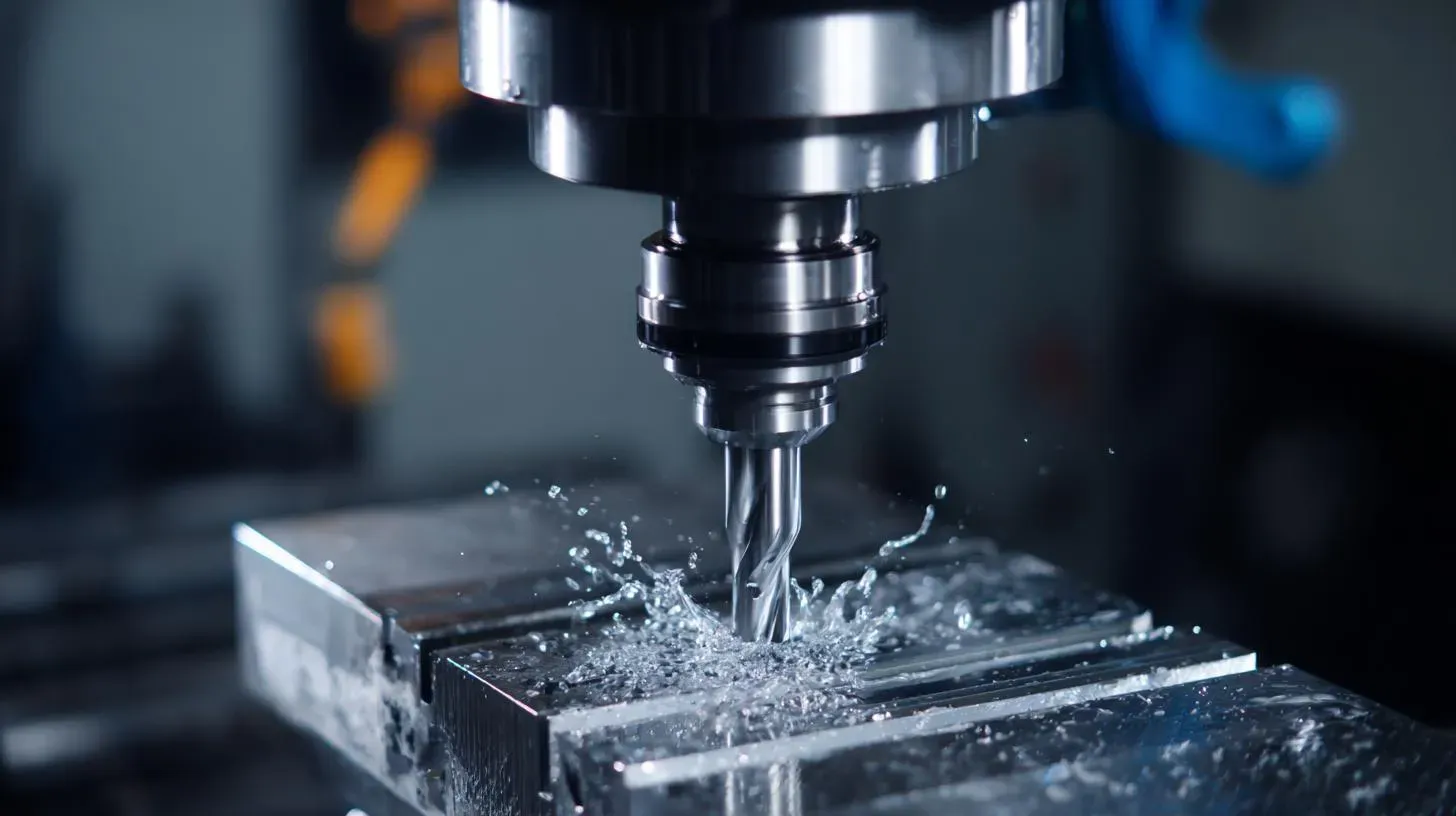
Ask how the proposed manufacturing method fits the geometry and material. A supplier should be able to explain its approach rather than simply list equipment. Explore our CNC machining example.
| Consideration | Why it matters |
|---|---|
| Geometry | Determines suitable machining methods |
| Material | Influences tooling and process selection |
| Tolerances | Helps define inspection requirements |
The lowest initial component price is not necessarily the lowest overall manufacturing cost.
Quality and consistency
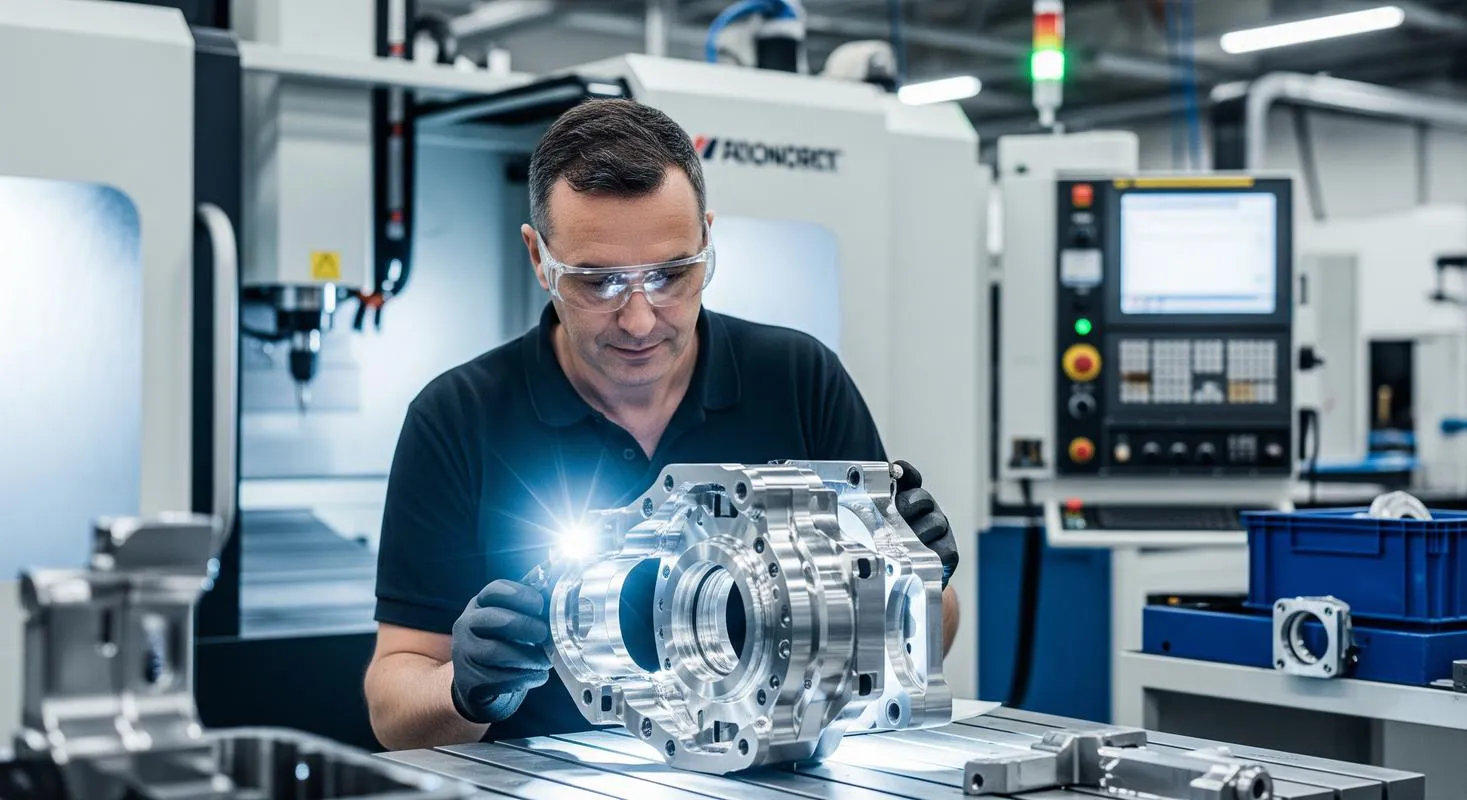
Agree which dimensions are critical and how they will be checked. Ask what inspection records are available and how deviations are communicated. See our inspection and quality approach.
Production capacity
Discuss likely order quantities and changes in demand. Prototype work and repeat orders may require different planning. Ask how the supplier manages scheduling and material availability.
Communication and support
Agree who will answer technical questions and how changes to drawings will be handled. Clear communication helps prevent avoidable rework.
Making your decision
Compare suppliers against the same requirements. Our quotation preparation guide explains what information helps start that conversation. Discuss your project using the demonstration form.